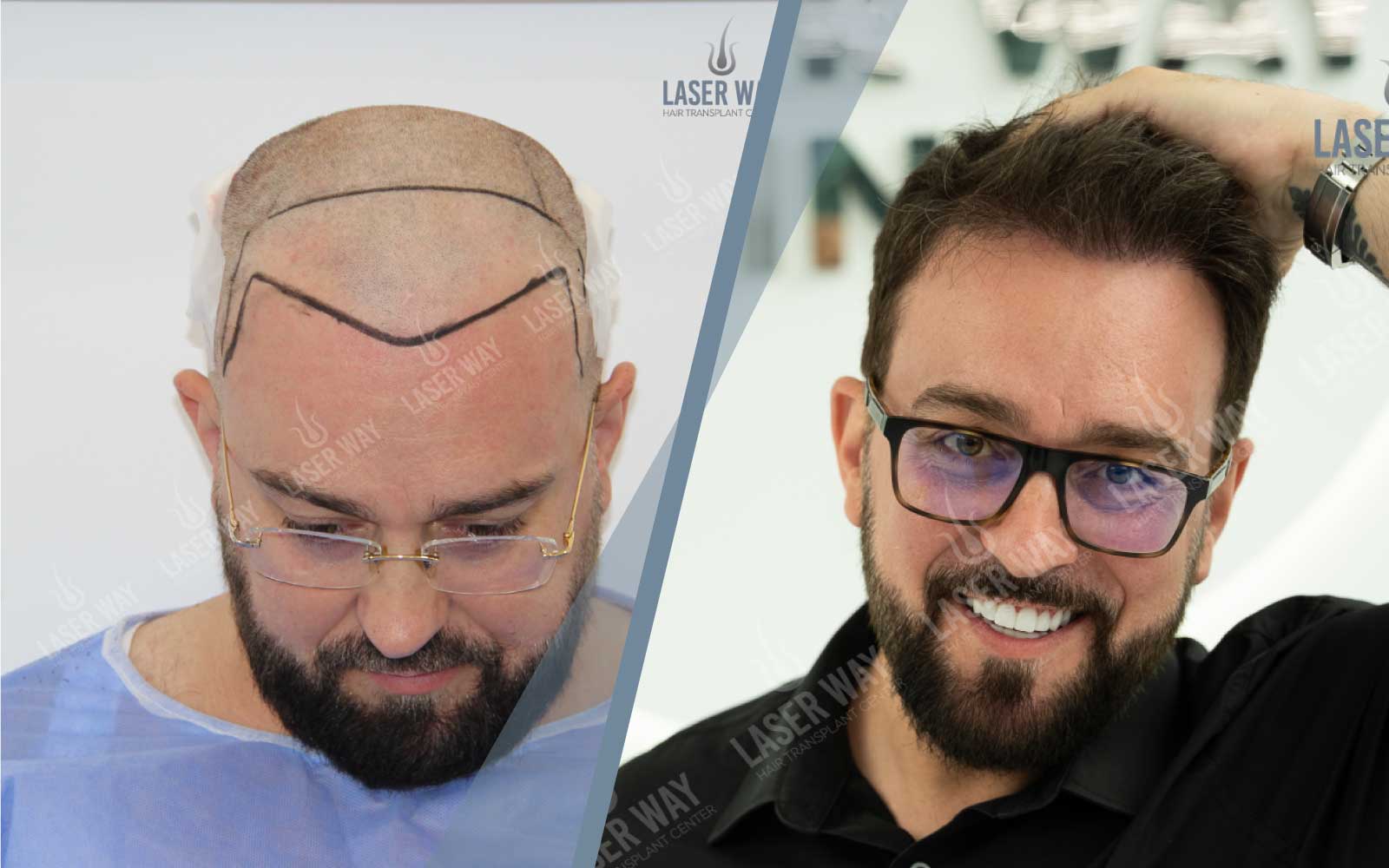
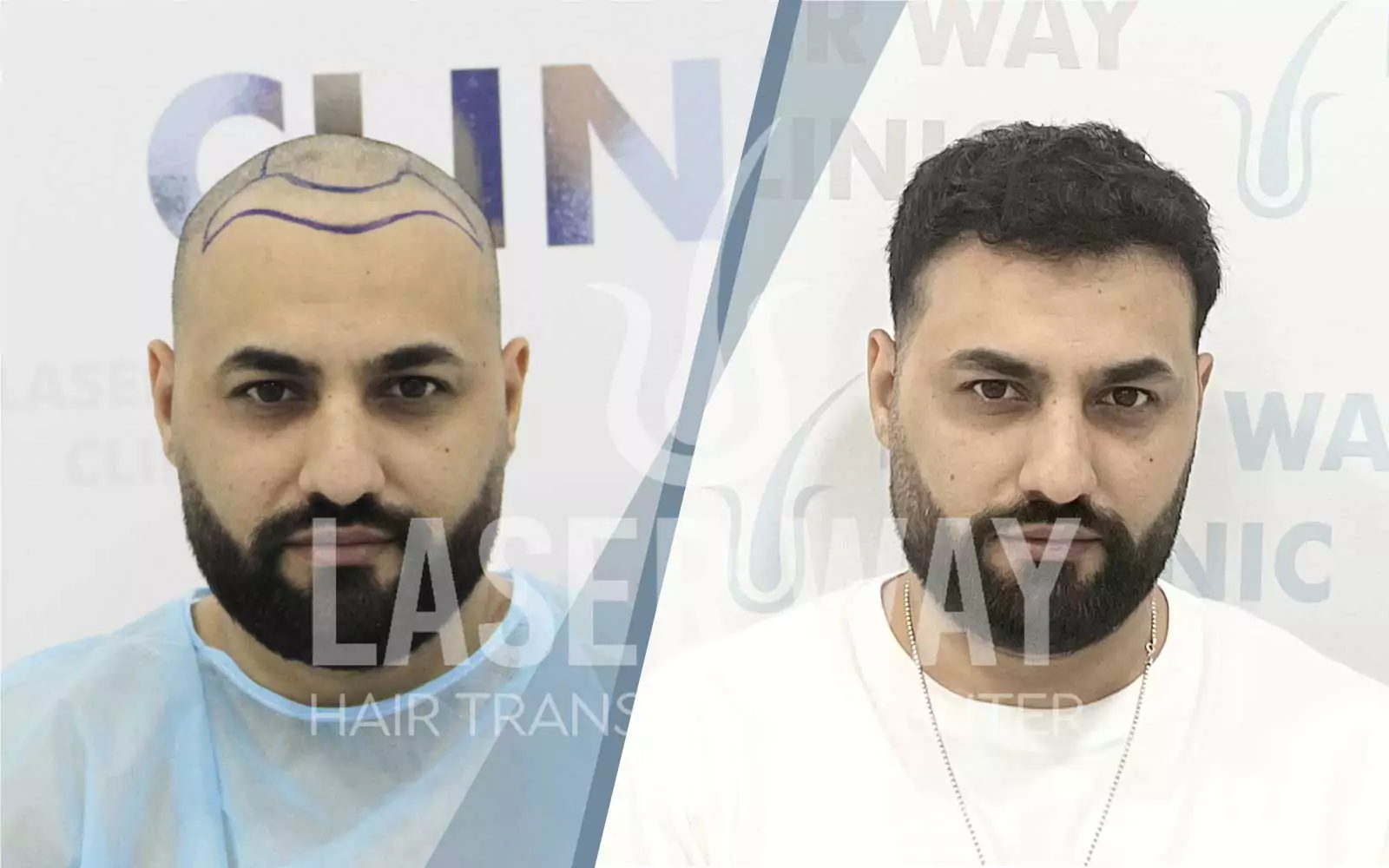
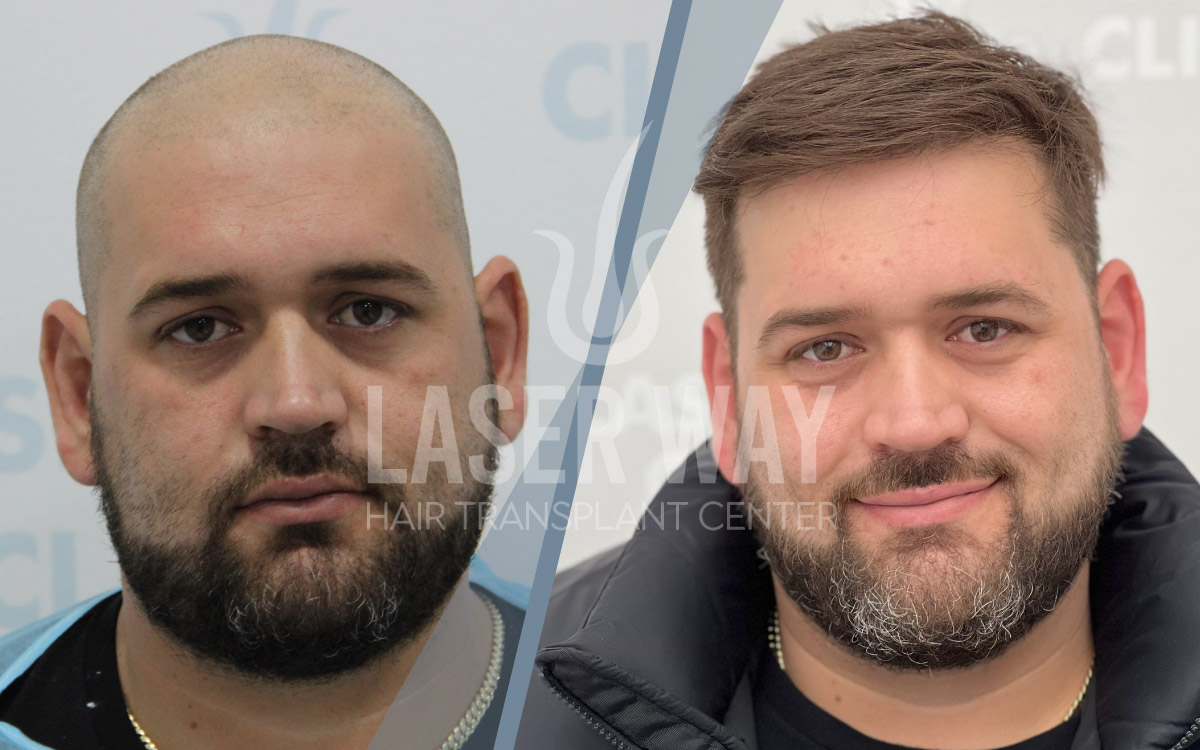
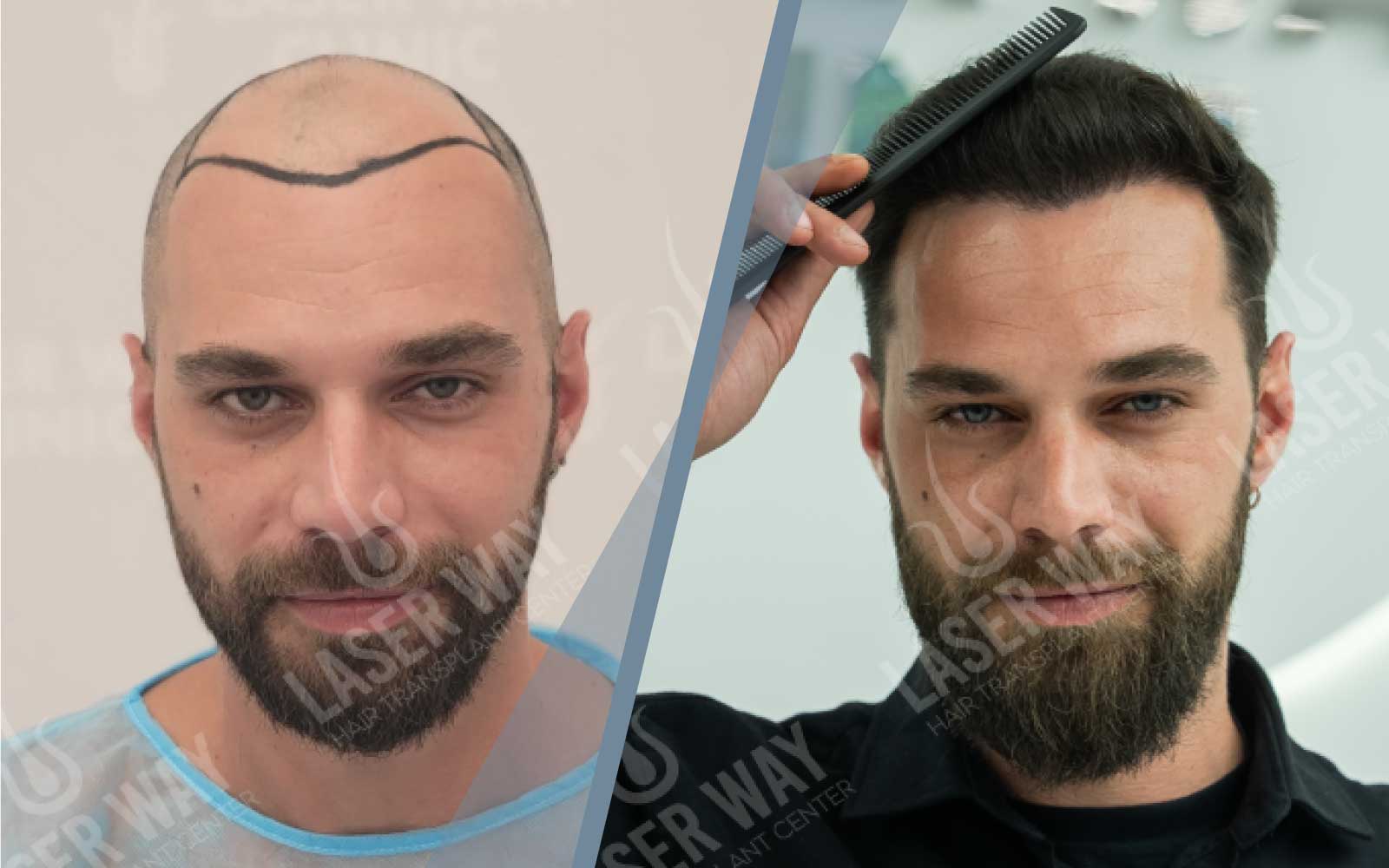
#1 Hair Transplant Clinic
- Laser Way -
Number one choice for Hair Transplant in Albania
Reserve now
#1 Hair Transplant Clinic
- Laser Way -
Number one choice for Hair Transplant in Albania
Reserve Now
#1 Hair Transplant Clinic
- Laser Way -
Number one choice for Hair Transplant in Albania
Reserve Now
Why Laser Way?
The First Hair Transplant Clinic in Tirana, Albania
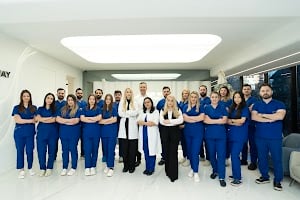
Laser Way is the first and largest hair transplant clinic in Albania, offering specialized hair transplant services since 2004.
Based in Tirana, with another modern clinic in Pristina, Laser Way specializes in advanced hair transplant techniques, including DHI and Sapphire FUE . Each procedure is planned individually according to the patient’s hair loss, donor area and desired result, with the goal of achieving a natural-looking outcome.
Laser Way was the first clinic in Albania to introduce the advanced DHI – Direct Hair Implantation technique, allowing hair follicles to be implanted directly into the recipient area with precision and control.
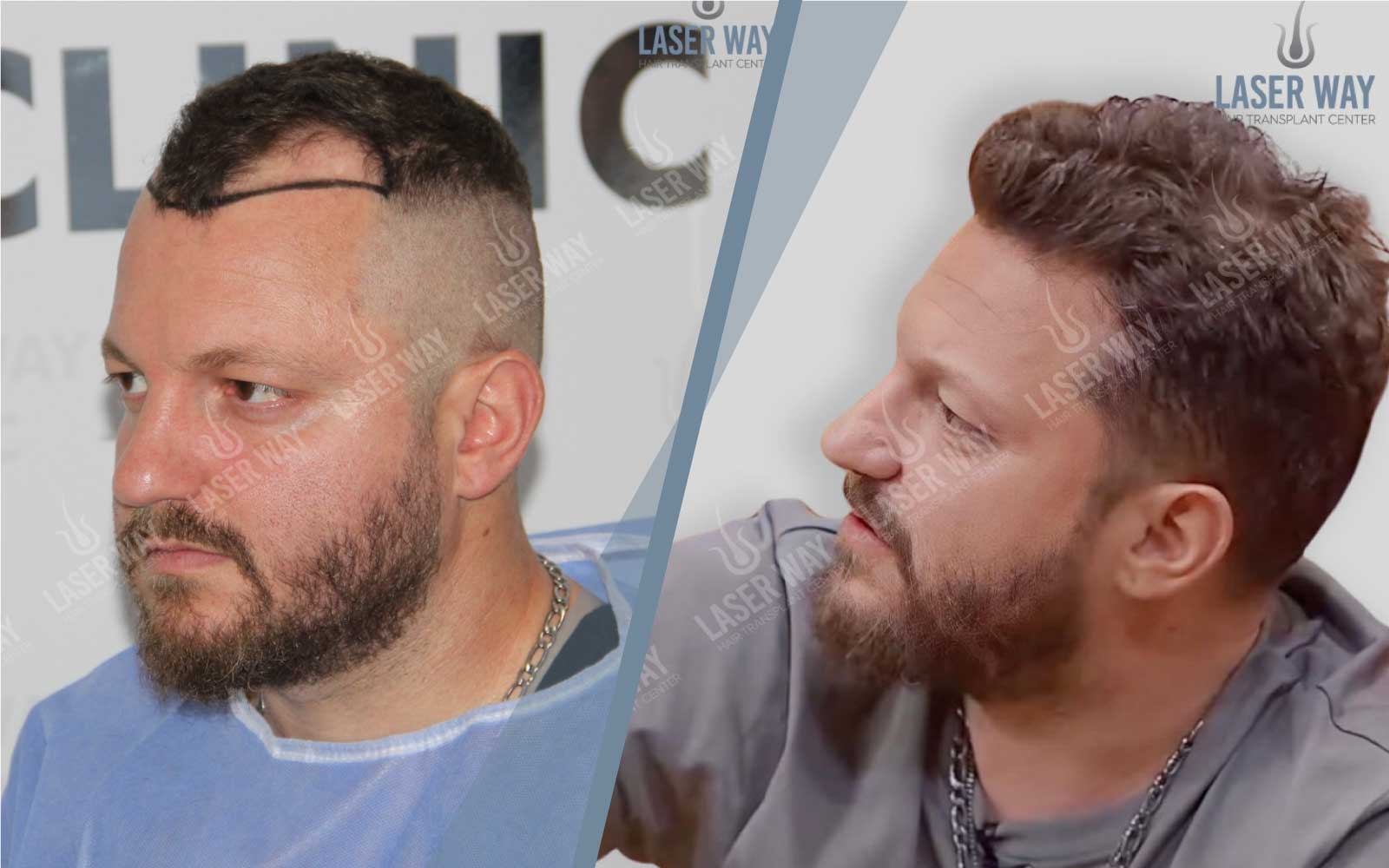
Since 2004, Laser Way has performed more than 15,000 hair transplants. When it comes to hair transplantation, one of the main goals is to achieve a result that looks as natural as possible. Modern hair transplant techniques allow healthy follicles from the donor area to be transplanted to areas affected by hair loss while preserving their natural growth characteristics. The result is designed to blend naturally with the patient’s existing hair.
More than 20 years of experience, thousands of treated patients and the results achieved over the years have made Laser Way a recognized name in the region for hair transplantation. Contact Laser Way for a free consultation and learn more about the hair transplant options available and the most suitable approach for your individual case.
Direct Hair Implantation (DHI) is an advanced hair transplant technique used for hair restoration. With the DHI method, hair follicles are individually extracted from the donor area and implanted directly into the recipient area, allowing precise control over their angle, direction and placement.
Follicular Unit Extraction (FUE) is a method of hair transplantation where individual hair follicles are removed from the donor area using a special tool before being implanted into areas affected by hair loss. SAPPHIRE FUE hair transplants are minimally invasive procedures with a short recovery time.
Beard transplantation is a procedure designed to restore or increase facial hair density in areas where beard growth is sparse or absent. Hair follicles are taken from the donor area and transplanted into the beard area according to the desired shape and density. The procedure is performed under local anesthesia.
Eyebrow transplantation is a procedure designed to restore or improve the shape and density of the eyebrows. Individual hair follicles are carefully implanted according to the natural direction and structure of eyebrow growth. The procedure is performed under local anesthesia, and the transplanted hairs gradually begin to grow over the following months.
A free consultation with a specialist at Laser Way Clinic can help determine the cause and extent of your hair loss and whether a hair transplant is suitable for you.
During the evaluation, we assess your hair loss pattern, donor area, hair density and expectations. Factors such as the number of grafts required, the quality of the donor hair and the possibility of future hair loss are also taken into consideration before recommending a hair transplant.
A hair graft is a naturally occurring group of one or more hair follicles that can be extracted from the donor area and transplanted into areas affected by hair loss. The number of grafts required depends on factors such as the size of the area to be treated, donor hair density and the desired result.
Yes. Hair transplants can be very effective in covering visible scars caused by various accidental injuries to the scalp, including burns and major scalp surgery.
Modern transplant techniques make it possible for the doctor to place grafts before, after, and even above the scar tissue itself.
However, enough donor hair is needed to cover the scars, so only your free individual consultation at Laser Way can give you the answer if the hair transplant procedure will be the solution to your problem. .
Hair transplant results are generally long-lasting because the transplanted follicles are taken from donor areas that are typically more resistant to hair loss.
Once transplanted follicles establish themselves and begin producing new hair, the hair grows naturally and can be washed, cut and styled like the rest of your hair.
However, the patient’s existing non-transplanted hair may continue to thin over time, which is why proper evaluation and long-term planning are important.
The cost of a hair transplant in Albania depends on several factors, including the extent of hair loss, the number of grafts required and the transplant technique recommended for the patient. At Laser Way Clinic, each case is evaluated individually before a treatment plan and price are provided.
Laser Way has specialized in hair transplantation since 2004 and has performed more than 15,000 hair transplants. This long-standing experience is combined with modern techniques such as DHI and Sapphire FUE, with each procedure adapted to the individual characteristics and needs of the patient.
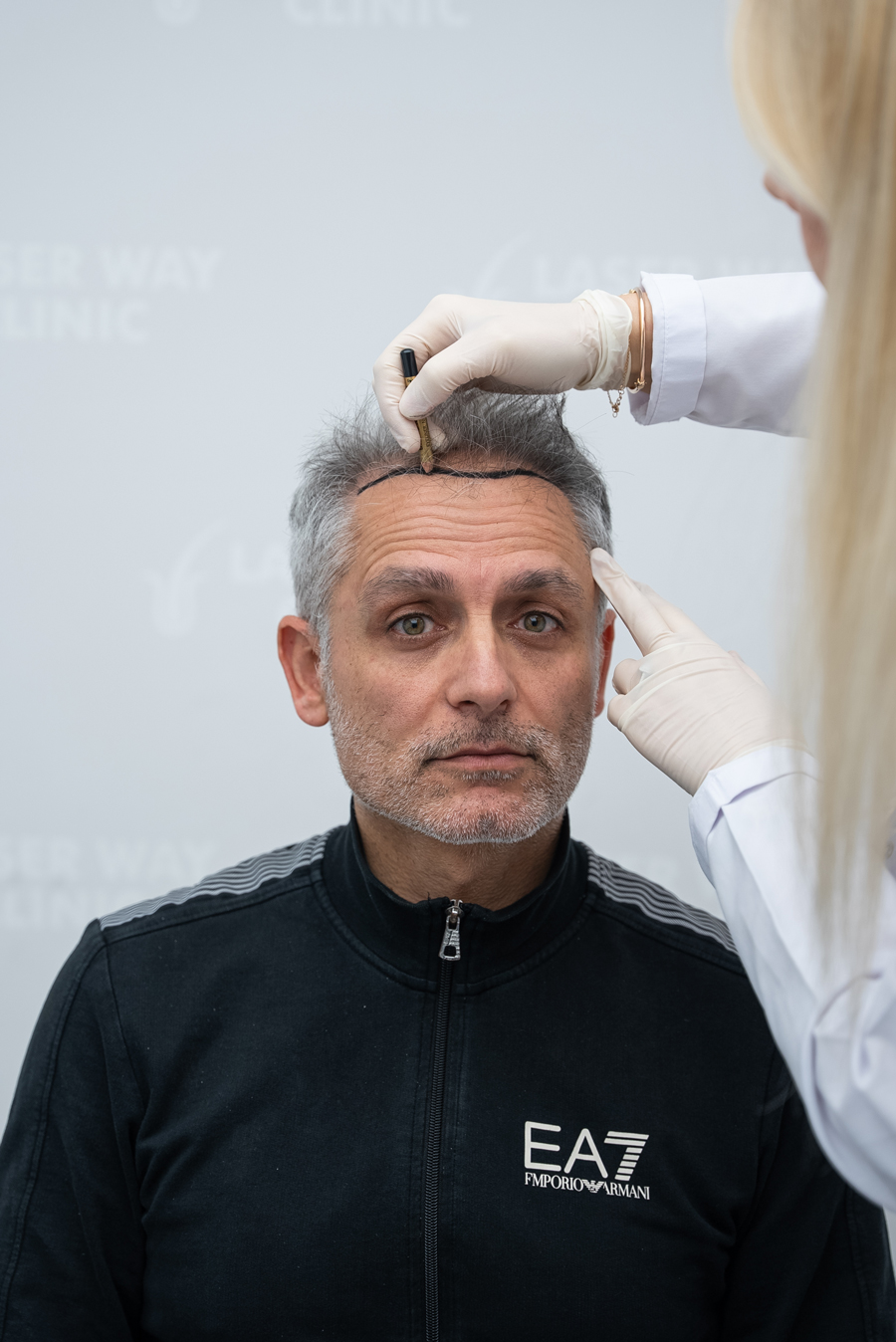
During the planning process, factors such as the donor area, hair loss pattern, number of grafts required, and hairline design are carefully considered. The angle, direction, and distribution of the implanted grafts are planned with the aim of achieving a natural-looking result.
Each treatment plan is determined individually following an assessment of the patient and the donor area.
There is no single ideal age for a hair transplant. Suitability depends more on the pattern and stability of hair loss, the condition of the donor area, and the patient’s individual characteristics than on age alone.
For younger patients in particular, it is important to consider how hair loss may progress over time. A hair transplant should be planned not only for the areas affected today, but also with possible future hair loss in mind, helping to preserve a natural and balanced appearance over the long term.
An individual assessment of the hair loss pattern and donor area is therefore important before deciding whether a hair transplant is appropriate and how it should be planned.
With modern hair transplant techniques such as DHI and Sapphire FUE, individual hair follicles are extracted from the donor area rather than removing a strip of scalp.
When the donor area is properly evaluated and the follicles are extracted evenly, the remaining hair usually provides natural-looking coverage without noticeable gaps.
Careful donor-area planning is important to preserve its density and appearance.
Yes. In some cases, hair loss can be slowed down or managed, but the appropriate approach depends on the underlying cause and the individual condition of the patient.
Hair loss can be associated with several factors, including genetic predisposition, hormonal changes, stress, nutritional deficiencies, and other conditions. For this reason, identifying the possible cause and assessing the condition of the hair and scalp are important before determining an appropriate treatment approach.
Depending on the assessment, different options may be considered for managing hair loss. Hair transplantation, when appropriate, can restore areas where hair has already been lost, but it does not necessarily prevent existing hair from continuing to thin in other areas.
The duration of a hair transplant procedure depends on several factors, including the number of grafts required, the size of the treatment area and the technique used.
A hair transplant can take several hours and is usually completed within one day, although larger or more complex cases may require additional planning or sessions.
During the consultation, the medical team can provide a more accurate estimate based on the individual treatment plan.
Hair Transplant for Women: Frequently Asked Questions
Hair loss is caused by factors such as heredity, hormones and age.
Genetic information determines whether hair follicles are sensitive to the hormone DHT (dihydrotestosterone) and other hormones that cause them to “shrink”. This “shrinkage” results in a general and gradual weakening of the hair.
In addition, the aging process can weaken the follicles and thus the hair strand. This causes thinning of the hair and stripping of the skin surfaces from it – permanent hair loss.
Yes. Women can have a hair transplant when they are suitable candidates for the procedure. Hair transplantation can be used to restore thinning areas, improve hair density, or cover visible scars caused by previous procedures or scalp surgery.
Modern hair transplant techniques allow grafts to be placed precisely in the areas where additional density or coverage is needed.
Yes. Very fine hairs selected from the scalp can be transplanted into the eyebrow area to restore thinning areas, improve the eyebrow shape, or cover areas affected by scars or previous injuries.
The transplanted hairs continue to grow naturally and may require periodic trimming to maintain the desired eyebrow shape.
It is recommended that you consult your doctor for a complete diagnosis before seeking a hair transplant, because hair loss in women is caused by several factors other than androgenetic alopecia, factors that can damage the new transplanted hair.
To prepare an appropriate treatment plan, it is important to seek a dermatologist or transplant specialist who is trained in this field.
How it works ?
Your Hair Transplant Journey
Contact us
Contact us by phone, WhatsApp or through our online form to start your hair transplant journey with Laser Way Clinic.
Free consultation
We evaluate your current hair condition, donor area and medical history to determine whether a hair transplant is suitable for you.
Schedule Your Procedure
Together, we schedule your hair transplant procedure and provide the necessary instructions to help you prepare for treatment.
Procedure Day
On the day of your procedure, our medical team will guide you through every step and make your experience as comfortable as possible.
After Your Hair Transplant
After your hair transplant, our team will provide detailed aftercare instructions and monitor your recovery and hair growth progress.
Make your reservation
Considering a hair transplant in Tirana, Albania? Contact Laser Way Clinic for a free consultation and receive a personalized assessment from our team.
I had an amazing experience with Laser Way Clinic. From the moment I arrived, I was welcomed with warmth, kindness, and professionalism. The entire team made me feel comfortable and well cared for throughout my stay.
My hair transplant was performed with great precision, and I am very happy with the results. They did an excellent job restoring both my hairline and the middle of my scalp, and the care and attention to detail were outstanding.
The clinic also took care of everything else, including accommodation in a luxurious five-star hotel with a delicious breakfast. I was picked up from the airport when I arrived, and after my procedure, a driver took me from the hotel back to the airport. Everything was organized smoothly, making the whole experience stress-free.
I would like to sincerely thank everyone at Laser Way Clinic for their exceptional care, professionalism, and hospitality. I highly recommend Laser Way Clinic to anyone looking for high-quality hair transplant treatment.
I recently underwent a hair transplant at LaserWay, and I can confidently say the entire experience exceeded my expectations. From the very first consultation to the final follow-up, everything was organized with precision and professionalism.
The staff was extremely welcoming, attentive, and supportive throughout the whole process. A special mention goes to the two Turkish specialists who performed the transplant — highly skilled, meticulous, and truly dedicated to delivering top-level results. Their professionalism and care made me feel completely safe and comfortable.
I highly recommend LaserWay Clinic to anyone looking for premium quality service and outstanding expertise in hair transplantation. 👌
I had a great experience at Laser Way Clinic. From the first visit, the staff was welcoming, professional, and very informative. They explain everything clearly and set realistic expectations, which I really appreciated. The clinic is clean, modern, and well organized, and the equipment feels advanced and safe. The procedure was almost painless, and I started seeing results after just a few sessions. What truly stands out is their aftercare and attention to detail. They genuinely care about their clients and make sure you feel comfortable throughout the entire process. Highly recommended!
Very professional clinic with friendly and knowledgeable staff. The clinic was extremely clean and well organised, and the whole process felt smooth and reassuring from start to finish. I’m very happy with the care and the initial results so far. Highly recommended.
I recently underwent a DHI hair transplant at Laserway clinic, and the entire experience exceeded my expectations from start to finish. The staff made me feel comfortable and well taken care of. Everyone was incredibly pleasant and they took the time to explain each step of the process clearly so i always knew what was happening and what to expect next. Dr Elona performed my procedure and her professionalism and attention truly stood out. The procedure itself was extensive, lasting roughly 8 hours. However, thanks to the short breaks provided and the team’s consistent attention, the duration did not feel overwhelming. The most important, it was almost painless. I’ll update my review and add photos once i see the first results in a couple of months. Highly recommend Laserway Clinic!
I was there about 5 months ago, Let’s start with the structure which is super organised, impeccably clean, everything sanitized and always continuously cleaned. Super excellent and very professional service, results obtained in just a few months. They assist the patient from start to finish, making him feel at ease. 10 out of 10.
I had my hair transplant at Laser way clinic in Tirana last year, and I couldn’t be happier with the results! From the initial consultation to the procedure and aftercare, the team was professional, knowledgeable, and genuinely cared about my progress.
The procedure itself was smooth and virtually painless, and the staff made sure I was comfortable the entire time. They provided clear aftercare instructions, and within a few months, I started seeing great results. Now, a year later, my hair looks completely natural, and I’ve regained my confidence.
If you’re considering a hair transplant, I highly recommend Laser way clinic. They exceeded my expectations, and I’m beyond grateful for their expertise!
It was really a very profesional experience! My first time was in Instanbul 6 years ago…and the results weren’t as i expected…and i was very dissapointed. I carefully chose this clinic with lots of consults with the doctors before the procedur…and now after 5000 grafts my result is perfect. Thanks a lot Laser Way Clinic
Hi guys , mi first imprecion was 100% positiv. All the personal, doctor and assistenz was also 100% positiv.
In my case was the bloodpressure to high and also the sugar, as a serius clinic they informed me and do an extra analyses. After that I talked with the principal doctor and we decide together to do this surgery after a new general test by my Personal Doctor in Monaco.
This is the absolute respectfull way for safe me and so after all test we go forward together.
For all guys the search a professional clinic the “LaserWay Albania hair clinic” in Tirana is the top of the top in Europe. Any other clinic that I have visite before in the turkey , has only 10% from the knolege as in Tirana.
Tirana is a hugh nice night city with the best Restaurant and clubs. My visite in “The Salt” was fsntastic.
Finally I come back to realize my new Hair dream in the LaserWay Albania.
I had a hair transplant at Laserway, and I couldn’t be happier with the experience. From the initial consultation to the actual procedure, the team took great care of me. They were thorough in explaining the process, addressing my concerns, and making sure I felt comfortable every step of the way.
The nurses were attentive and kept checking up on me throughout, which made a huge difference in easing any nerves. The doctor who performed the procedure had a wealth of experience and worked with precision and confidence—it was clear she knew exactly what she was doing.
Overall, I felt I was in safe hands the entire time. If you’re considering a hair transplant, I highly recommend Laserway for their professionalism, care, and expertise.
I saw the results from some of my friends who did their hair transplant with Laser Way and it was great, so I decided to go with them for mine too. The whole process was very smooth, the staff was professional and friendly. Highly recommend them for your hair transplant.
Everything started 2 months ago when I visited the layserway clinic and I have to say: what a customer treatment. They came to the hotel and they transferred me to the clinic and they brought me back.While I was there, they were very kind to me. Everything was just perfect to the littlest detail. After 2 months the results were great. I would recommend this clinic for any that is seeking tha kind of service. Just perfect
They did a terrific job for me.I was in excellent condition; the clinic is immaculate down to the last detail, and the personnel is friendly and helpful above all else. The transplanted hair has all come back after about a year, and it is clear that the surgery was done exceptionally well because it gives a natural appearance.I believe the money I spent was a good investment. As a result of my own experience, I suggest visiting this clinic.
I recently went to Laserway Clinic and was blown away by the experience. The staff was incredibly friendly and knowledgeable, and the facilities were top-notch. The procedure itself was painless and the results have exceeded my expectations. I highly recommend this clinic to anyone looking for a hair transplant.
The experience with the clinic was really great overall. The staff was very flexible with setting up the transplanting date and quite good at explaining what to expect. The transplanting itself was long, but the doctor was excellent and very detail oriented. She did an outstanding job and I would highly recommend to anyone to go for the DHI transplant with her instead of other doctors and options in the clinic. There were clear instructions after the procedure and you need to go back to the clinic after the first day to check. I am writing this 16 days after the procedure and my hair look already amazing. I am expecting shock loss in the next weeks and will update the review with more details in the coming months.