


Shedding after a hair transplant is a normal part of recovery for most patients. This phase, known as shock loss, is temporary and can affect both your transplanted grafts and your existing hair. It usually begins within a few weeks of surgery and clears up over time as your follicles recover. Most patients go on to see regrowth, though the timing and density vary from person to person.
If you’ve recently had a procedure, or you’re planning one, understanding shock loss can take a lot of the worry out of your hair transplant recovery.
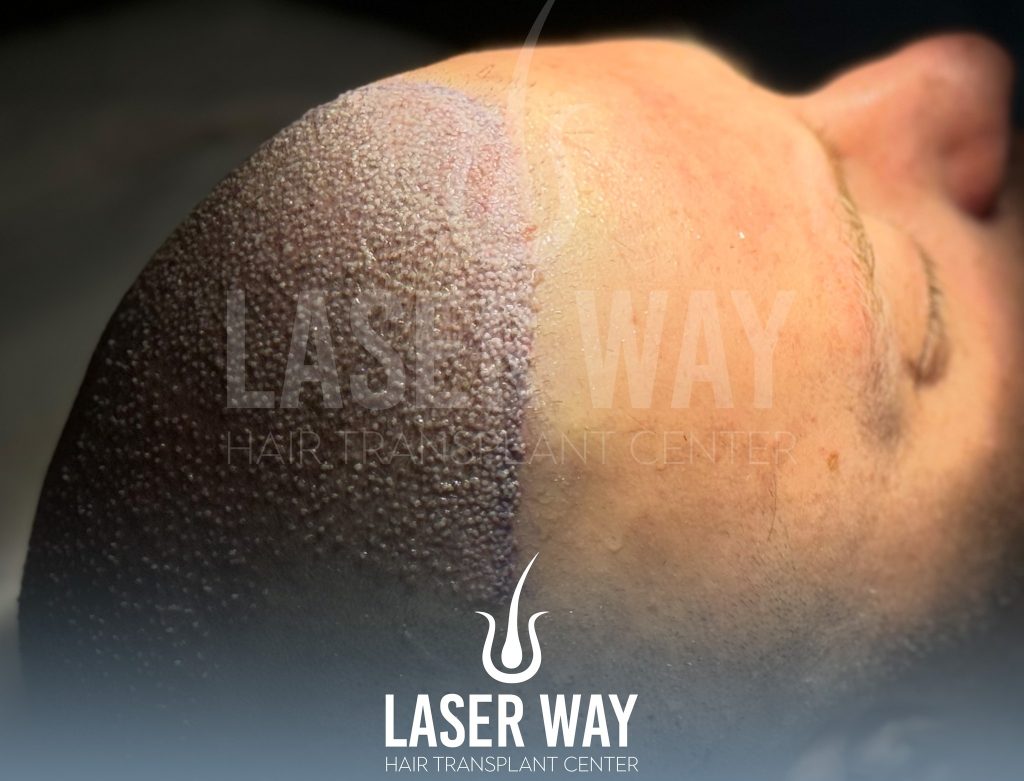
What You Need to Know
- Shock loss after a hair transplant is temporary shedding caused by surgical stress and inflammation.
- Post-transplant shedding often begins within two to eight weeks.
- Both transplanted grafts and your existing native follicles may shed their current hairs during this phase as they reset and prepare to grow again.
- Most patients notice early regrowth around months three to four.
- Full results continue to develop over 12 months or longer.
- Some shedding is expected, but following your surgeon’s aftercare instructions can reduce how severe it feels.
What Is “Shock Loss” and Is It Normal?
Shock loss is temporary shedding triggered by surgical stress, inflammation, and a brief disruption to the blood supply around your follicles. It can affect both transplanted grafts and the native hair nearby, especially in areas where follicles were already thinning or miniaturized.
A hair transplant places new follicles into a healing scalp. Your body responds by shifting some hairs into a resting phase, which leads to shedding. Here’s the important part: this shedding does not mean the follicles are gone. In most cases, they stay intact beneath the surface and start growing again once your scalp recovers.
In short, shock loss is a normal and expected step in the hair transplant process.
Why Hair Falls Out After a Transplant
Your scalp goes through a healing response after surgery. That response brings on inflammation and temporarily disrupts normal blood flow, which pushes some follicles into a resting phase called telogen. This is known as telogen effluvium, and it leads to the temporary shedding you see. The process is similar to the extra shedding people experience after other forms of physical stress or trauma.
Several factors can influence how likely or how noticeable shock loss is:
- Surgical stress from graft placement
- Inflammation in the recipient area
- Temporary changes in blood supply
- Scab formation during healing
- Pre-existing miniaturized hair near the transplant site
- Overly aggressive density placement by an inexperienced surgeon
- Smoking or vaping nicotine, which slows circulation and healing
Follicles react differently depending on how healthy and stable they were at the time of surgery. Donor hairs usually recover well, since they’re chosen for their genetic stability and resistance to DHT. Native hairs near the transplant site are more likely to shed, because they’re often already weakened by ongoing hair loss, and surgical stress can speed up their natural shedding cycle.
What to Expect After Surgery
Shock loss tends to follow a general pattern, though your experience depends on your body, the surgical technique used, and the condition of your existing hair. Knowing the timeline ahead of time can ease a lot of recovery anxiety.
Hair Transplant Shock Loss Timeline
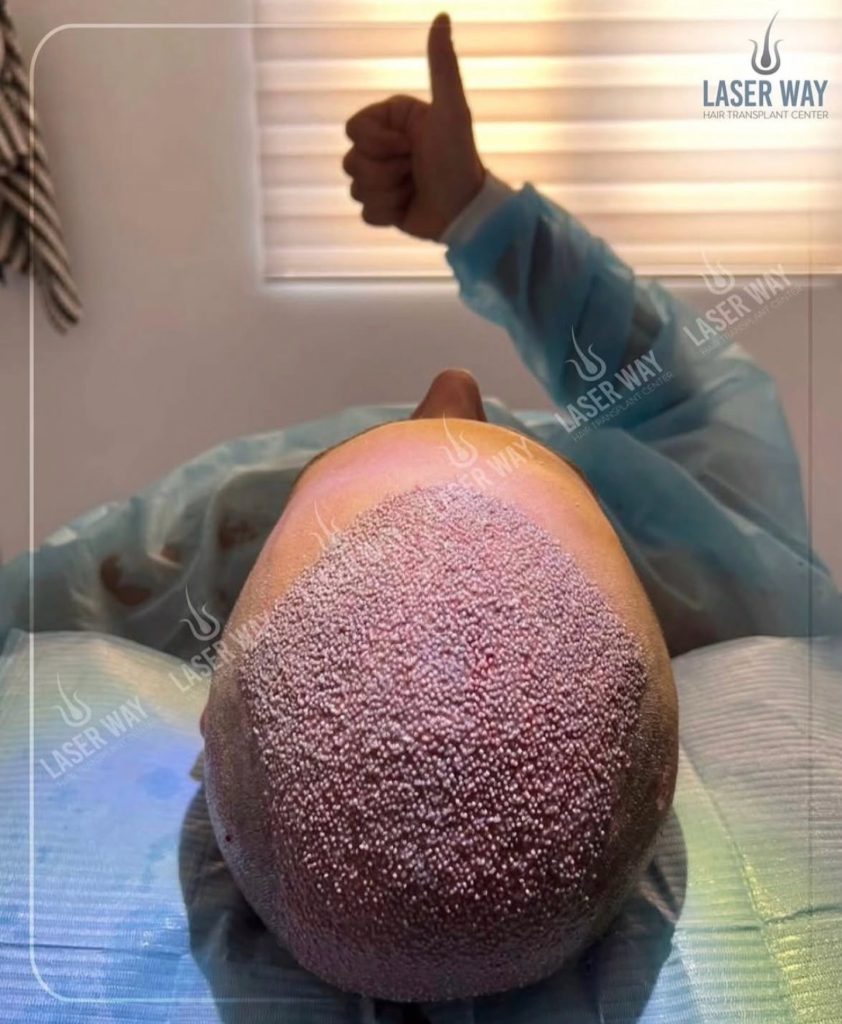
- Days 1–10: Swelling, redness, and scabbing as the scalp starts to heal.
- Weeks 2–8: Shedding begins and often peaks. Both transplanted grafts and native follicles may release their hairs as they prepare to produce new growth.
- Months 3–4: Early regrowth starts as follicles leave the resting phase.
- Months 6–9: Density and coverage begin to improve noticeably.
- Month 12 and beyond: Hair matures and thickens as your final results take shape. You can start to evaluate your outcome here, though subtle improvements may continue past the one-year mark.
A quick note: the exact timing depends on how your scalp heals, how closely you follow aftercare, and the stability of your existing hair.
Recipient Area vs. Donor Area Shedding
Shock loss affects the recipient area more often than the donor area, since the recipient site goes through more direct surgical work. Shedding here often includes both transplanted hairs and the native hairs around them.
Shedding in the donor area is less common, but it can happen, since extraction places some stress on the surrounding follicles. Donor shedding usually resolves without any lasting effect on density.
Native hair shedding around grafts tends to show up in areas that were already thinning. Those hairs were weaker to begin with, and the procedure can accelerate their shedding cycle.
Shock Loss vs. Graft Failure vs. Ongoing Hair Loss
It helps to know the difference between three separate things, because they look similar but have very different outcomes.
- Shock loss: Temporary shedding, followed by expected regrowth within a few months.
- Graft failure: Poor or absent growth caused by graft damage, infection, or poor healing.
- Ongoing pattern baldness: Continued thinning in untreated areas due to genetic hair loss.
The timing and pattern usually tell the story. Shock loss begins soon after surgery and improves over time. Graft failure shows little to no growth by the six- to twelve-month mark. Pattern baldness keeps progressing gradually, outside the transplanted areas.
How to Reduce the Risk of Shock Loss
You can’t always avoid shedding completely, but good preparation and aftercare support healthier regrowth. These hair transplant recovery tips can help.
Before surgery:
- Choose a qualified, experienced hair restoration surgeon.
- Address scalp issues such as inflammation or dandruff.
- Avoid smoking or vaping nicotine.
After surgery:
- Follow your washing and aftercare instructions exactly.
- Avoid touching, scratching, or disturbing the grafts.
- Sleep with your head elevated during early recovery.
- Skip tight hats or anything that puts pressure on your scalp.
- Limit strenuous activity during the initial healing phase.
- Follow any other advice your surgeon gives you.
Hairline design also matters for long-term results. Talking through density, placement, natural framing, and future loss patterns with your surgeon before the procedure helps your outcome age well.
What to Ask Your Surgeon About
If you’re considering a transplant or recovering from one, ask about therapies that support your existing hair and reduce ongoing shedding. These are usually part of a long-term hair management plan:
- Minoxidil to support hair growth
- Finasteride or dutasteride to slow genetic hair loss in appropriate candidates
- PRP therapy, PRF, or exosome-based treatments for scalp support
Timing depends on your surgeon’s protocol and your specific situation. Never start or stop any medication without guidance from your clinician, especially during recovery. Keep in mind that hair restoration calls for ongoing care. Treating the transplanted area alone won’t stop pattern hair loss in the surrounding areas.
When to Worry
Most shock loss resolves without any complications. Still, certain symptoms may point to something that needs medical attention, so keep an eye on your healing during the first few months.
Contact your surgeon if you notice any of the following:
- Increasing pain instead of gradual improvement
- Pus or signs of infection
- Fever or other body-wide symptoms
- Worsening redness or swelling
- Spreading folliculitis or irritation
- Patchy areas that look damaged or aren’t healing
- No visible regrowth by month six
If you have any concerns about shedding or your results, reach out to your surgeon right away. Taking photos to track your progress and scheduling a follow-up with a hair restoration specialist can make a real difference.
FAQs About Shock Loss After a Hair Transplant
Will all of my transplanted hair fall out?
Most transplanted hair sheds during the early phase of recovery. This happens because the follicles enter a resting phase after placement. The follicles stay active beneath the scalp and start producing new hair within a few months.
How long does shock loss last?
Shock loss usually lasts several weeks, with shedding beginning between weeks two and eight. Early regrowth tends to start around months three and four. Full recovery and visible improvement continue over 12 months or longer.
Does shock loss mean my hair transplant failed?
No. Shock loss is a temporary response to surgical stress, not a sign of failure. Follicles usually recover and produce new growth. True graft failure involves little to no regrowth over time and needs to be evaluated by a surgeon.
Can post-transplant shock loss be permanent?
It’s usually temporary, and permanent loss from shock loss alone is rare. When it does happen, it’s more often linked to pre-existing miniaturization in native hairs rather than the shock loss itself. Patients with advanced thinning may find that some native hairs don’t return if those hairs were already weak before surgery.
Is shock loss different for FUT vs. FUE transplants?
Shock loss can occur with both FUT and FUE techniques, since both involve surgical work on the scalp. The pattern and severity may differ slightly based on the technique and your individual factors, but both methods follow similar shedding and regrowth timelines.
Talk With Laser Way About Your Hair Transplant Recovery
Shedding after a transplant can feel unsettling, but in most cases it’s simply your scalp doing exactly what it should. Understanding the process, and having an experienced team beside you, makes the whole journey easier.
If you have questions about shock loss, your recovery, or whether a hair transplant is right for you, the team at Laser Way can assess your situation, walk you through what to expect, and build a plan around your goals. Book your consultation with Laser Way today and take the first informed step toward fuller, healthier-looking hair.