


Hair loss is often seen as a men’s issue, yet millions of women live with thinning hair and visible loss too. For many women, hair is closely tied to identity and confidence, which makes losing it an emotional experience. The good news is that modern hair restoration offers women a permanent, natural-looking way to bring their hair back.
A female hair transplant follows the same core principles as a male procedure, but it calls for a more specialized approach. Women’s hair loss patterns and causes differ, so the treatment must too. In this guide, we’ll look at why women lose hair, how transplants work for them, and what you can realistically expect.
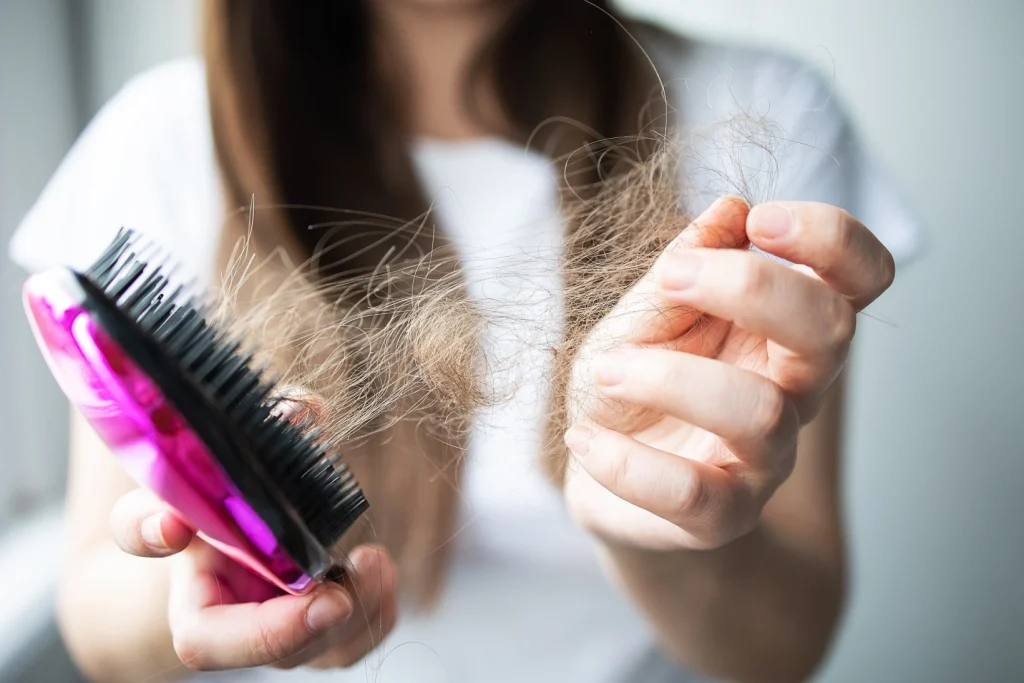
Why Do Women Experience Hair Loss?
Women’s hair loss can stem from many factors, including genetics, hormonal shifts, and underlying medical conditions. Unlike male-pattern baldness, which usually shows up as a receding hairline or distinct bald spots, women’s hair loss often appears as diffuse thinning spread across the scalp.
Common Causes of Hair Loss in Women
- Genetic hair loss (androgenetic alopecia): A hereditary condition that gradually thins hair around the crown and part line.
- Hormonal changes: Pregnancy, menopause, and PCOS can lead to temporary or lasting thinning.
- Medical conditions: Thyroid disorders, anemia, and autoimmune diseases can trigger shedding and lower hair density.
- Lifestyle and stress: Poor nutrition, heavy styling, and chronic stress can weaken follicles and increase shedding.
Pinpointing the cause matters, because it shapes the treatment that will actually work for you.
How Do Hair Transplants Work for Women?
A female hair transplant moves healthy hair follicles from a donor area, usually at the back or sides of the scalp, into thinning or sparse regions. The aim is natural-looking density that respects your existing hairline rather than reshaping it like a typical male case.
Techniques Used in Female Hair Transplants
- Follicular Unit Extraction (FUE): Individual follicles are removed one by one and transplanted, leaving minimal scarring.
- Follicular Unit Transplantation (FUT): A small strip of scalp is taken from the donor area, then separated into individual follicles for placement.
Both methods can deliver excellent results. The right choice depends on the extent of your hair loss, the quality of your donor area, and your personal preferences. An experienced surgeon will recommend the most effective option for your situation.
The Benefits of a Female Hair Transplant
- Restores volume and fullness: Transplanted hair grows naturally, improving overall density.
- Permanent results: Unlike extensions or wigs, a transplant offers long-term restoration.
- Blends seamlessly: Careful graft placement helps new hair match your natural growth.
- Boosts confidence: Many women find that restoring their hair lifts self-esteem and quality of life.
How Female Hair Transplants Differ From Male Cases
Because women lose hair differently than men, a tailored approach is essential.
- Diffuse thinning: Many women experience widespread thinning rather than clear bald spots, so grafts need even, strategic placement.
- Hairline design: A woman’s hairline is naturally different and must be planned to keep a soft, feminine look.
- Donor hair limits: When thinning is extensive, the donor area may have less available hair, which calls for careful expert evaluation.
Non-Surgical Alternatives for Women’s Hair Loss
A transplant isn’t always the only step, and some treatments work well alongside it:
- PRP therapy: Platelet-rich plasma injections may support follicle activity and encourage healthier growth.
- Minoxidil: This can help slow ongoing loss and support results after a transplant.
These options can complement surgery, though they aren’t permanent solutions on their own. Your specialist can help you understand which combination fits your goals.
Frequently Asked Questions About Female Hair Transplants
Am I a Good Candidate for a Hair Transplant?
Women with stable donor hair and conditions like androgenetic alopecia or traction alopecia are often strong candidates. A consultation with a specialist is the best way to confirm whether it’s right for you.
Will My Results Look Natural?
Yes. When the procedure is performed by an experienced surgical team, transplanted hair blends with your natural hair for a natural appearance.
How Long Do Hair Transplants Last?
Transplants are designed to be permanent, since the transplanted follicles tend to resist the hormonal effects that cause hair loss.
Can I Style My Hair After the Procedure?
Yes. Once your transplanted hair fully grows in, you can wear it long, straighten it, or color it as you like.
Are There Non-Surgical Alternatives?
Yes. Treatments like minoxidil and PRP therapy can slow hair loss and support transplant results, though they aren’t permanent fixes.
Why Choosing an Expert Matters
The skill of your specialist has a major impact on your results. The right medical team will:
- Diagnose accurately: Understanding the root cause guides the most effective treatment.
- Design a natural hairline: Artful follicle placement keeps results realistic and feminine.
- Provide thorough aftercare: Clear post-procedure guidance supports long-term success.
Restore Your Hair and Confidence With Laser Way
For many women, hair loss feels deeply personal, but it doesn’t have to be permanent. With today’s hair restoration techniques, you can regain fuller hair and the confidence that comes with it.
If you’re noticing thinning or loss, the team at Laser Way can assess your hair loss, examine your donor area, and walk you through a plan built around your goals. Book your consultation with Laser Way today and take the first informed step toward a fuller, healthier head of hair.