

For many patients, the most challenging part of a hair restoration journey is not the surgical procedure itself. Instead, it is the lifestyle changes required to ensure a flawless result. At Laser Way
Albania, patients frequently ask us about the strict rules surrounding tobacco use before and after their procedure. Why is smoking strictly prohibited when you get a hair transplant?
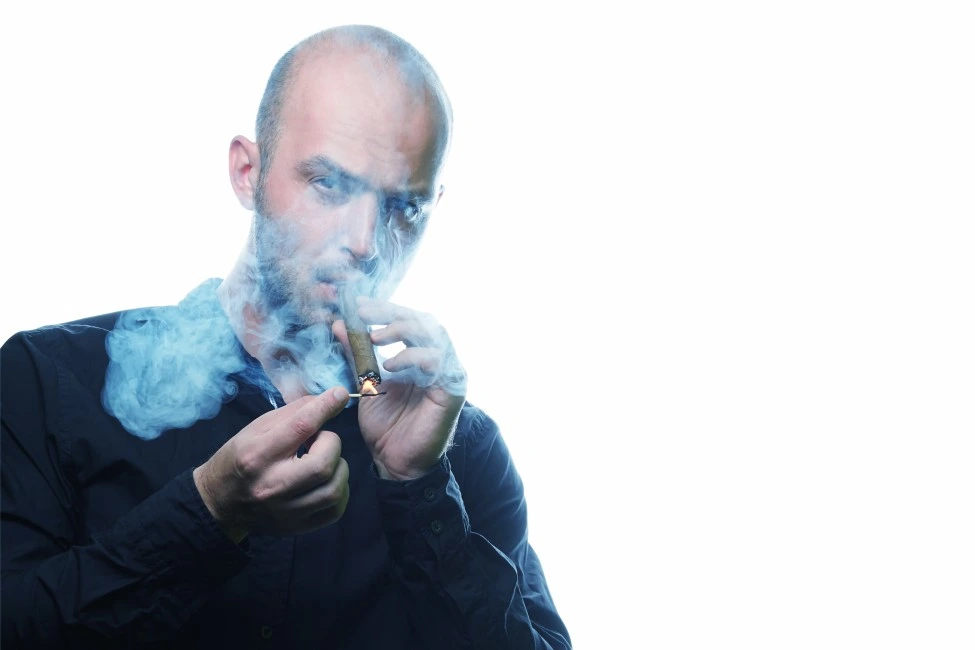
Everyone knows that tobacco harms your general health. However, its impact on newly implanted hair follicles, known as grafts, is immediate and severe. Smoking does more than damage your lungs. It creates a toxic healing environment for your scalp, putting the entire outcome of your operation at risk.
This guide breaks down exactly how smoking threatens your hair transplant success. We will explore the biological effects of nicotine on hair grafts, compare recovery timelines, and give you a clear protocol to protect your investment.
Why Blood Flow is the Secret to Hair Transplant Success
To understand why smoking is so dangerous for hair transplants, you first need to understand how hair grafts survive. When our experts at Laser Way Albania extract and implant a hair follicle, that follicle is temporarily disconnected from your body’s blood supply.
For the transplant to succeed, your scalp must undergo vascularization. This is the process where your body builds new blood vessel connections to feed the newly implanted grafts. These tiny blood vessels carry essential oxygen and nutrients to the hair follicles. Without a robust and steady blood supply, the grafts simply will not survive their new environment.
The hidden risks: how smoking sabotages your results
Smoking actively disrupts the vital vascularization process through several biological mechanisms. Here is exactly how tobacco and nicotine work against your body during recovery.
Vasoconstriction and Oxygen Starvation
Nicotine acts as a powerful vasoconstrictor. This means it forces your blood vessels to narrow and tighten. When your blood vessels constrict, blood flow to your scalp drops dramatically.
During the sensitive post-operative period, your new grafts rely entirely on a steady stream of oxygen to take root. When nicotine limits this blood flow, the grafts experience hypoxia, or oxygen starvation. If the newly implanted hair follicles do not get enough oxygen, they fail to anchor into the scalp and eventually die off.
Delayed Healing and Higher Infection Rates
Cigarettes contain thousands of toxic chemicals that severely weaken your immune system and your body’s natural tissue repair capacity. When you smoke, your wounds take much longer to close and heal.
Delayed healing keeps the tiny incisions on your scalp open for an extended period. This invites harmful bacteria into the wounds, significantly increasing your risk of infection. In severe cases, poor circulation and infection can lead to necrosis, which is the actual death of the skin tissue. Necrosis can cause permanent scarring in both the donor area and the recipient area, ruining the aesthetic result of the transplant.
Excessive Bleeding and Stubborn Scabbing
Nicotine completely disrupts your body’s natural blood clotting mechanisms. Patients who smoke often experience excessive bleeding during Follicular Unit Extraction (FUE) or Direct Hair Implantation (DHI) procedures.
When you bleed more than normal during the surgery, you develop thicker, heavier scabs on your scalp afterward. These thick scabs cause intense itching and severe irritation. If the scabs remain on the scalp for too long, they physically block the new hair shafts from pushing through the skin, leading to poor growth and a patchy appearance.
Smokers vs. Non-Smokers: A Clear Comparison
Clinical observations make it obvious that tobacco use directly correlates with poor hair transplant outcomes. Let us look at a direct comparison between patients who smoke and those who do not.
For non-smokers, scalp blood circulation remains optimal. This leads to a very high graft survival rate. Their healing time is remarkably fast, and their risk of infection remains minimal. As a result, non-smokers typically enjoy thick, strong, and healthy hair growth.
For smokers, the reality looks quite different. Their blood circulation remains restricted due to continuous vessel constriction. This creates a high risk of hypoxia, leading to a much lower graft survival rate. Smokers face delayed healing, which elevates the risk of noticeable scarring. Their infection risk is substantially higher. Ultimately, the hair that does manage to grow often looks dull, thin, and weak.
The ultimate timeline for quitting smoking
If you are an active smoker planning a hair transplant at Laser Way Albania, you must follow a strict timeline to protect your procedure’s success. Adhering to this protocol gives your body the best possible chance to heal.
Before the Surgery
You must stop smoking at least seven days before your scheduled operation. This one-week window allows the carbon monoxide levels in your blood to drop. As your blood clears, its oxygen-carrying capacity returns to normal levels. Quitting a week early also significantly reduces the risks associated with local anesthesia during the surgery.
After the Procedure
You must completely avoid smoking for a minimum of seven to fourteen days following your hair transplant. The first two weeks represent the most critical period for graft survival. During this time, the follicles desperately need maximum blood flow to stay alive. While abstaining from tobacco for three to four months is ideal for your overall hair health, surviving the first two weeks smoke-free will largely determine the final fate of your grafts.
The link between smoking and hair loss
Even if you never get a hair transplant, smoking actively accelerates natural hair loss. Tobacco smoke carries elements that directly damage the DNA of your hair follicle cells.
Furthermore, smoking destroys keratin proteins, which act as the fundamental building blocks of your hair strands. Studies observing individuals with androgenetic alopecia consistently show that smokers experience a much more rapid and aggressive rate of hair thinning compared to non-smokers. While quitting cigarettes will not magically cure genetic baldness, continuing to smoke guarantees that you will lose your hair much faster.
Frequently asked questions about smoking and hair transplants
Patients often look for loopholes when it comes to the smoking ban. Here are the truthful answers to the most common questions we receive at Laser Way Albania.
Can I use e-cigarettes or nicotine patches?
No, you cannot use e-cigarettes, vapes, or nicotine patches. The primary culprit behind poor graft survival is nicotine itself. It does not matter how the nicotine enters your body. Whether you vape it, chew it, or absorb it through a patch, nicotine will constrict your blood vessels and steal vital oxygen away from your new hair grafts.
What happens if I just smoke one cigarette?
Smoking a single cigarette will not instantly destroy your entire hair transplant, but it certainly causes damage. One cigarette drastically reduces scalp blood flow and oxygenation for several hours. If you give in to the temptation and smoke one cigarette, you dramatically increase the risk of ending up with low hair density and visible bald patches. It is simply not worth the risk.
Is secondhand smoke a problem?
While secondhand smoke is not as damaging as actively smoking a cigarette, you should still avoid it entirely. The smoke floating in the air contains carbon monoxide, which binds to your red blood cells and reduces their ability to transport oxygen to your scalp. We highly recommend staying completely away from smoky environments for at least the first ten days of your recovery.
Conclusion: Secure Your Hair Restoration Success at Laser Way Albania
Getting a hair transplant is a major investment in your appearance and your confidence. Do not let a temporary craving compromise your permanent results. By quitting smoking before your procedure and maintaining a smoke-free lifestyle during your recovery, you give your body the exact environment it needs to produce stunning, dense, and natural-looking hair.
Are you ready to take the next step in your hair restoration journey? Our dedicated medical team will guide you through each step, from preparation to post-operative care. Contact Laser Way Albania today to schedule your expert consultation and let us help you achieve the head of hair you deserve.