


Undergoing a hair restoration procedure can completely transform your confidence and your appearance. While modern medical advancements have made this process incredibly safe and highly successful, any surgical procedure carries a small amount of risk. A hair transplant infection occurs when bacteria, fungi, or other microorganisms affect the recipient or donor area of the scalp. This can lead to inflammation, discomfort, and potential complications that might impact your final results.
Although a hair transplant is a remarkably safe procedure with a very low risk of infection, the risk is never truly zero. Recognizing the symptoms early and taking swift action is vital for protecting your health and your new hair grafts.
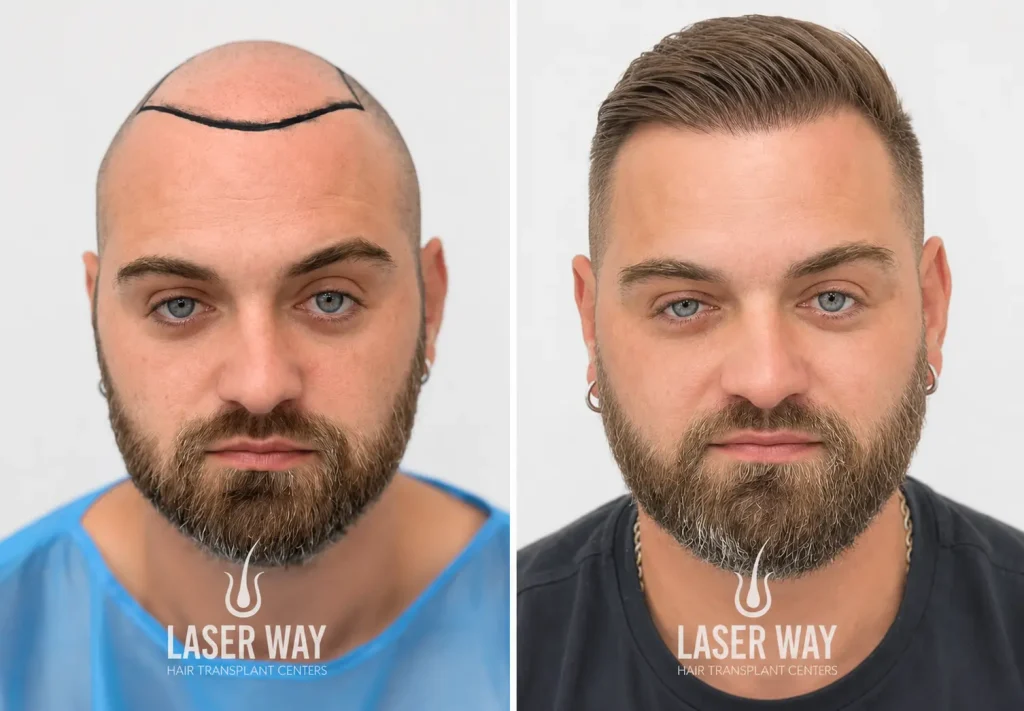
In this comprehensive guide, we will break down everything you need to know about hair transplant infections. We will explore the key symptoms to watch for, the underlying causes, and actionable prevention tips to ensure your recovery goes smoothly.
Understanding Hair Transplant Infections
An infection after a hair transplant is incredibly rare. Statistics show that clinical infections occur in less than 1% of all hair transplant patients. When you choose a reputable and highly regulated clinic like Laser Way, the clinical environment is strictly sterilized, significantly reducing any baseline risks.
However, the healing period requires careful attention. Typically, if an infection is going to develop, it appears between three to seven days after the procedure. Because the scalp is healing, some symptoms of a normal recovery can closely resemble the early stages of an infection. Following your post-operative instructions precisely is the absolute best way to prevent complications.
Symptoms of a Hair Transplant Infection
Early detection is crucial to avoid more serious complications. Knowing the difference between the standard healing process and an active infection will give you peace of mind and allow you to seek help if necessary.
Common Local Symptoms
Your scalp will naturally go through a recovery phase that involves some redness and minor swelling. However, an infection will present more aggressive local symptoms, including:
- Excessive Redness or Skin Discoloration: While mild pinkness is normal, deep, spreading redness is a warning sign.
- Swelling and Warmth: The affected area may feel noticeably hot to the touch.
- Persistent Pain: Discomfort should decrease daily. If pain sharply increases, you need to contact your doctor.
- Unusual Bleeding: Minor spotting is common on the first night, but continuous bleeding is not.
- Intense Itching and Burning: A mild itch means your skin is healing. A severe, burning itch that disrupts your day indicates a problem.
General Systemic Symptoms
Sometimes, an infection spreads beyond the localized scalp area and affects your entire body. Watch out for these general symptoms:
- Headaches that do not respond to basic painkillers
- Fever and chills
- Nausea or vomiting
- Unusual fatigue or deep lethargy
If any of these symptoms last longer than three to seven days or suddenly worsen, you should reach out to your medical team immediately.
Identifying Infection in Transplanted Follicles
The specific areas where your new grafts are placed are highly sensitive. Infected hair follicles, a condition sometimes referred to as folliculitis when inflamed, may show distinct visual signs. Look out for visible inflammation and raised, red bumps around individual hairs. You might also notice severe redness spreading across the recipient zone and the presence of pus or a yellowish discharge.
Warning signs that require immediate medical attention include excessive pain, prolonged swelling that moves down the forehead, a warm or burning sensation, severe itching, the formation of abscesses, and unexpected bleeding.
What to Do If an Infection Occurs
If you suspect an infection has developed, you must act quickly. Your first step is to contact your doctor or the medical team at Laser Way immediately. Do not try to treat the issue yourself with unverified home remedies.
Crucially, do not touch, scratch, or manipulate the affected area. Your hands carry bacteria, and touching the irritated scalp will only worsen the condition. Follow the specific medical instructions provided by your clinic strictly.
Depending on the severity of the infection, your doctor may prescribe oral antibiotics to clear the bacteria from your system. They might also recommend topical antibiotics applied directly to the scalp or specialized antibacterial shampoos to keep the area clean. In more advanced and rare cases, a medical professional may need to carefully drain an abscess.
Causes of Hair Transplant Infection
Even though infections are rare, certain factors dramatically increase the risk. Understanding these causes helps you avoid them entirely.
Poor Clinic Choice and Hygiene
The main cause of post-operative infection is choosing an inexperienced or unqualified clinic. If the surgical environment lacks strict sterilization protocols, bacteria can easily enter the tiny incisions made during the transplant. Working with highly qualified professionals ensures that all tools, rooms, and staff adhere to the highest international medical standards.
Inadequate Scalp Hygiene
Once you leave the clinic, the responsibility for keeping the scalp clean falls to you. Failing to wash the scalp correctly or skipping the prescribed cleaning routines allows natural oils, dead skin, and environmental bacteria to build up around the healing grafts.
Not Following Post-Operative Instructions
Your doctor will provide a detailed aftercare plan. This includes avoiding strenuous exercise, staying out of the sun, and refraining from touching the scalp. Patients who ignore these guidelines run a much higher risk of introducing bacteria to the surgical sites. Additionally, underlying patient health conditions, such as a compromised immune system or uncontrolled diabetes, can slow down healing and increase infection risks.
Which Hair Transplant Technique is Safest?
The method used for your hair restoration plays a significant role in your recovery timeline and infection risk.
Older methods, such as Follicular Unit Transplantation (FUT), carry a relatively higher risk. This technique involves removing a large strip of skin from the back of the head, requiring stitches and leaving a linear wound that takes longer to heal.
Modern techniques, such as Follicular Unit Extraction (FUE) and Direct Hair Implantation (DHI), boast a significantly lower risk of infection. Because these methods utilize tiny micro-incisions to extract and implant follicles, the wounds close much faster. Modern techniques like DHI are widely considered the safest options available today regarding infection risk and tissue trauma.
Risks of an Untreated Infection
Ignoring the signs of an infection can ruin your investment and harm your health. If left untreated, a hair transplant infection can lead to visible scarring on the scalp. It can also severely damage the newly implanted grafts, resulting in uneven hair growth or heavily reduced hair density in the affected areas. In the most severe cases, the localized infection may spread to deeper underlying tissues or even enter your bloodstream.
Expert Tips to Prevent a Hair Transplant Infection
Prevention is always better than a cure. To minimize your risk and ensure a flawless recovery, follow these essential guidelines:
- Choose a Reputable Clinic: Only work with an experienced doctor and a highly rated facility like Laser Way.
- Maintain Proper Hygiene: Follow the specific washing instructions provided by your medical team. Use only the recommended shampoos and lotions.
- Avoid Touching Your Scalp: Keep your hands away from your head. Never scratch the healing scabs.
- Follow Prescribed Treatments: Take all antibiotics and medications exactly as directed, even if you feel perfectly fine.
- Adjust Your Lifestyle: Avoid smoking and alcohol consumption during the initial recovery phase, as these reduce blood flow and hinder the immune system.
- Protect Your Head: Limit direct sun exposure and avoid dusty or dirty environments for the first few weeks.
Frequently Asked Questions
Is infection common after a hair transplant?
No, it is exceptionally rare. A clinical infection affects less than 1% of patients who undergo the procedure.
When do infection symptoms typically appear?
If an infection is going to occur, it typically presents itself between 3 and 7 days after the surgical procedure.
How can I tell the difference between an infection and normal healing?
Normal healing improves gradually day by day. Redness fades, and scabs eventually fall off. An infection, on the other hand, tends to worsen over time. It may include the presence of pus, an increase in severe pain, radiating heat, or the development of a fever.
Can a hair transplant infection be prevented entirely?
Yes. By following your medical advice, maintaining proper personal hygiene, and choosing a highly qualified clinic for your procedure, the risk can be minimized to almost zero.
Your journey to a full head of hair should be exciting and safe. By understanding the risks and following proper aftercare, you can look forward to incredible, permanent results. If you are ready to explore the safest, most advanced hair restoration options, reach out to our expert team today to schedule your personalized consultation.